
Add Row
Add Element
cropper
update

TALENT PULSE NEWS

update
Add Element
  • Home
  • Categories
    • Talent Acquisition Trends
    • Culture & Engagement
    • Employer Branding & Candidate Experience
    • Hiring Tools & HR Tech
    • Policy & Workforce Law
    • Employee Resource Group News
    • Featured
June 24.2025
2 Minutes Read

Avoid These Common Mistakes in AI-Powered Recruiting Strategies

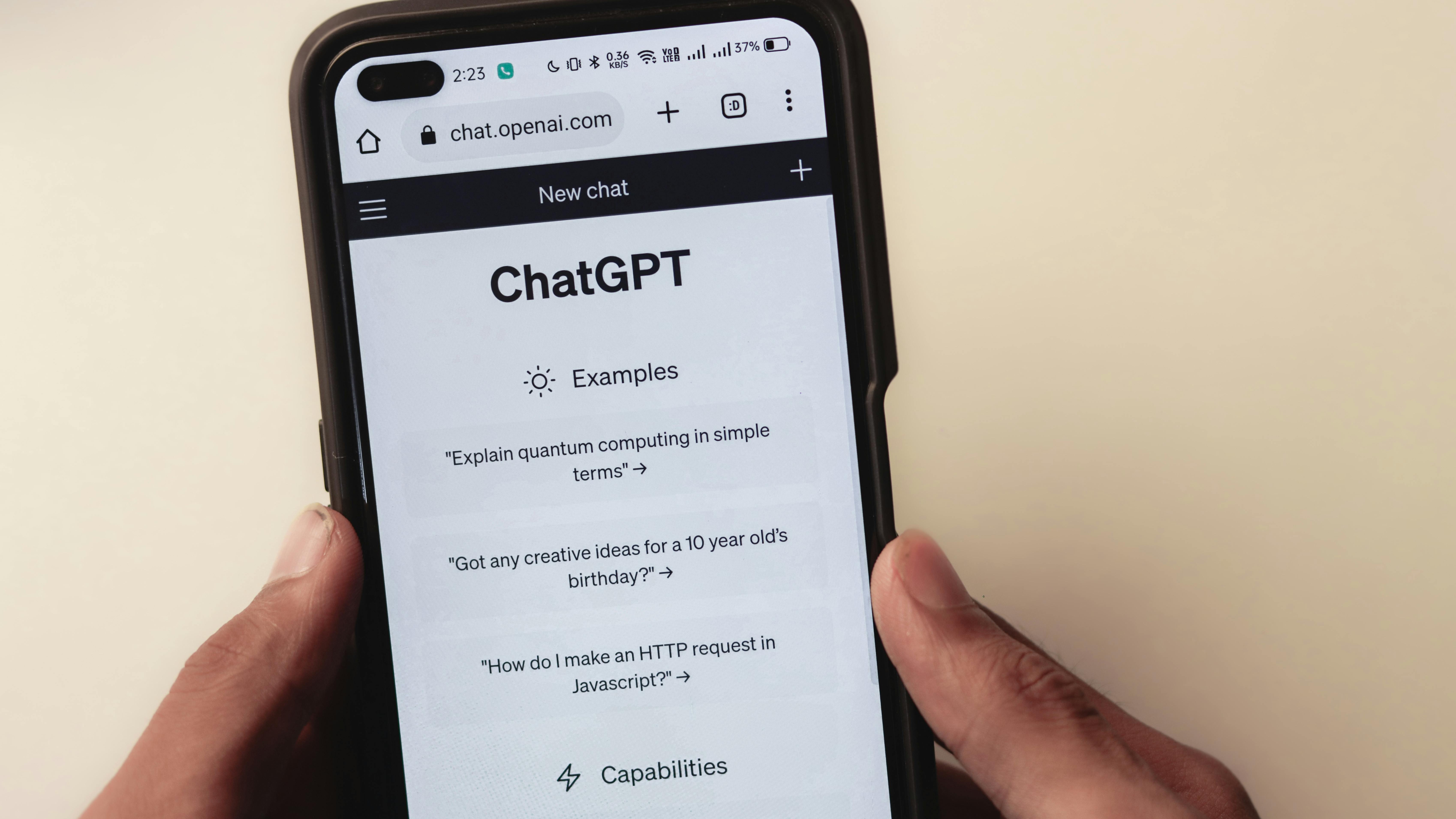
AI in recruiting: hands using digital interface


The New Age of Hiring: Programmatic Job Advertising

In today’s rapidly evolving recruitment landscape, programmatic job advertising stands out as a pivotal element of hiring strategies for talent acquisition managers and corporate recruiters alike. Leveraging AI and automated processes, this approach streamlines job ad placements, getting the right positions in front of the right candidates with remarkable efficiency. However, while the technology promises enhanced precision and lower costs, it comes with a caveat: the necessity for diligent oversight.

Common Pitfalls in Programmatic Job Advertising

One major mistake to avoid is treating automation as an opportunity for hands-off management. Many companies underestimate the importance of constant oversight when executing their programmatic strategies. Without regular monitoring, budgets can quickly become unevenly distributed among job ads, leaving priority roles underrepresented. Talent acquisition teams must actively manage campaign allocations to ensure optimal results.

More Than Just Bots: Navigating Challenges in Automated Recruiting

Another commonly overlooked issue is the impact of bots on recruiting campaigns. Much like in other areas of digital marketing, bots can drain resources and inflate metrics. To combat this, recruitment teams should set up rigorous checks and utilize advanced analytics to discern authentic candidate responses from automated interactions.

Building a Strong Talent Pipeline Through Best Practices

Beyond simply avoiding pitfalls, organizations should prioritize recruitment best practices. Incorporating skills-based hiring and focusing on the candidate experience can dramatically improve the quality of applicants entering your talent pipeline. By ensuring that programmatic job advertising aligns with a holistic recruitment strategy, businesses can foster a robust system that attracts high-quality candidates while efficiently managing resources.

Future-Proofing Your Recruitment Strategy

As the job market continues to shift, being agile and informed is essential. Effective programmatic job advertising not only enhances immediate results but also builds a sustainable talent pool for future hiring. Collaborating closely with technical teams to integrate proper channels can facilitate this continuous improvement. Ultimately, by adopting informed strategies and remaining vigilant in management, recruiters can harness the full potential of AI in recruiting, ensuring they remain ahead of hiring trends.

By implementing these insights into your recruitment strategy, you're not just avoiding mistakes; you're evolving towards a more effective and streamlined hiring process. Don't let your technology go underutilized—take action now to optimize your approach!


Featured

Write A Comment

*
*
Related Posts All Posts
12.06.2025

Revolutionizing Compliance: Essential Insights for Your Employee Handbook in 2026

Update Essential Updates for Employee Handbooks in 2026As we approach 2026, employee handbooks are no longer just static documents; they represent living guides that ensure compliance and clear communication between employers and employees. Talent acquisition managers and HR professionals must prioritize updating their handbooks to adapt to changing legal landscapes and workplace dynamics. Joycelyn Stevenson, an expert in workforce policy, identifies the five key inquiries she receives about employee handbooks, illuminating the crucial aspects every HR leader should consider.Navigating Compliance with Employee Policies“What policies should I include?” This common question reflects the necessity of having robust guidelines to prevent discrimination and harassment. Every handbook should delineate a reporting process for complaints and a procedure for medical and religious accommodations. By implementing these policies, organizations not only promote a safer workplace but also demonstrate their commitment to inclusivity. Additionally, important contract elements such as pay practices and at-will employment language must be clearly stated, especially in jurisdictions with specific employment laws.The Importance of Regular UpdatesEmployers should review and update their employee handbooks regularly, ideally annually or biannually, depending on the nature of their business. Relying on outdated handbooks presents risks, potentially leading to compliance issues or employee dissatisfaction. With rapidly evolving laws impacting labor and employment, organizations must remain proactive to ensure relevant information stays current.Handling Multi-State OperationsIf your company operates across state lines, consider whether multiple handbooks are necessary to meet varying state regulations. Many companies craft handbooks with regional adjustments to address local labor laws effectively. This approach not only helps mitigate legal risk but also enhances the candidate experience by clarifying location-specific expectations.Creating Accessible Reporting ProcessesAn effective handbook should articulate a clear reporting process for managing employee concerns. This structure provides employees with the confidence to voice issues, knowing that there is a defined and efficient mechanism for addressing complaints. Clear reporting guidelines can lead to quicker resolutions and a healthier workplace environment.Updating for Future TrendsIn 2026, businesses must also be prepared for the incorporation of AI in hiring practices, remote work expectations, and evolving data privacy regulations. Handbooks that reflect these changes are vital in ensuring all employees are aware of their rights and responsibilities in a modern work environment. For instance, companies should clearly state how data is handled and emphasize remote work security measures. This forward-thinking approach showcases an organization’s dedication to innovation and employee welfare.Final ThoughtsUpdating employee handbooks is not just a legal requirement, but a strategic move that serves to protect businesses and foster a positive workplace culture. By responding effectively to these five essential questions, HR professionals and business leaders can align their policies with contemporary practices, thereby enhancing the overall candidate experience and operational efficiency. Let this be the year your employee handbook evolves to meet the demands of today’s workforce.

12.06.2025

US Immigration Processing Pause: Implications for Talent Acquisition Strategies

Update Major Shift in Immigration Processing Affects Talent AcquisitionThe U.S. government has recently announced a significant pause in immigration processing for various countries, casting uncertainty over hiring practices for many employers. As talent acquisition managers contend with the complexities of workforce dynamics, understanding the implications of this pause is essential for maintaining a robust talent pipeline.Understanding the Impact on Recruitment StrategiesThis immigration halt not only affects potential hires but also alters the recruitment landscape as a whole. With labor shortages continuing in many sectors, employers need to be adept at adapting their sourcing strategies to fill critical roles amidst these changes. This might include enhancing remote hiring initiatives or focusing on skills-based hiring practices to identify candidates faster with the right competencies.The Role of Technology in HiringIn these challenging times, leveraging technology can streamline hiring processes. Applicant tracking systems (ATS) are more crucial than ever, allowing recruiters to manage and optimize their hiring workflows efficiently. Incorporating AI in recruiting could potentially speed up candidate evaluations and enhance the overall candidate experience, ensuring organizations remain competitive.Future Outlook: Navigating UncertaintyAs immigration processes shift, being proactive and adaptable is key. Recruitment best practices will likely evolve, focusing on local talent and alternative sourcing methods. It's essential for HR managers and recruiters to stay ahead of hiring trends to mitigate the impact of these changes on their organizations.These uncertain times in immigration policy underscore the need for innovation in talent acquisition strategies. Embracing new technologies and flexible hiring practices will equip employers to face these challenges with confidence.

12.02.2025

Understanding November's HR Leadership Moves: Trends Affecting Hiring Strategies

Discover HR leadership changes in November 2023 and their impact on hiring trends and recruitment best practices.

Terms of Service

Privacy Policy

Core Modal Title

Sorry, no results found

You Might Find These Articles Interesting

T
Please Check Your Email
We Will Be Following Up Shortly
*
*
*