
Add Row
Add Element
cropper
update

TALENT PULSE NEWS

update
Add Element
  • Home
  • Categories
    • Talent Acquisition Trends
    • Culture & Engagement
    • Employer Branding & Candidate Experience
    • Hiring Tools & HR Tech
    • Policy & Workforce Law
    • Employee Resource Group News
    • Featured
June 24.2025
2 Minutes Read

Discover How Empowering Small Businesses Can Strengthen America’s Economy

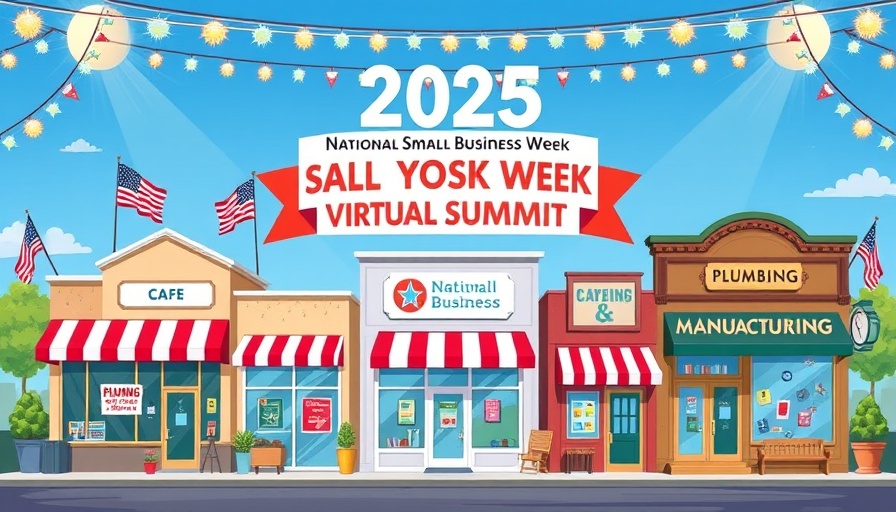
Empowering small businesses with cartoon illustration of diverse shops for 2025 summit.

The Backbone of the American Economy: Small Businesses

Small businesses are critical to the American economy, serving as vital engines that not only create jobs but also foster innovation and strengthen communities. As we celebrate National Small Business Week 2025, it is essential to recognize the unwavering dedication and entrepreneurial spirit of these business owners across the country. They face unique challenges, but with the support from the U.S. Department of Labor, there are fewer hurdles in achieving success.

A Simplified Path to Compliance and Growth

One of the primary concerns for small business owners revolves around compliance with labor laws, a process which can often feel like navigating a bureaucratic maze. To address this, the Employer.gov Small Business Page offers straightforward information on workplace requirements and compliance essentials. This resource aims to empower small businesses to operate with confidence, thereby allowing them to focus on their core mission of job creation.

Creating Safe Workplaces: Reducing Regulatory Burdens

Another critical focus is ensuring workplace safety without subjecting small businesses to excessive penalties. OSHA's On-Site Consultation Program is a free, confidential service that equips small businesses with the knowledge needed to foster safe working conditions. Additionally, practical resources like the Small Business Safety and Health Handbook provide useful self-inspection checklists to guide owners through maintaining safe environments.

Growing a Skilled Workforce through Apprenticeships

A notable initiative to support small businesses involves the expansion of Registered Apprenticeship programs. These tailored training programs serve as an effective strategy for not only skilling the workforce but also reducing employee turnover. By investing in their employees, business owners can cultivate a dedicated and proficient team, which is crucial for sustained growth.

Guidance on Fair Employment Practices

Navigating wage laws sometimes poses a challenge for small businesses, particularly in today's economic landscape. The Wage and Hour Small Business Portal breaks down essential topics, including minimum wage and overtime regulations, enabling businesses to remain compliant without overcomplicating their operations. Such clarity on labor laws is invaluable for fostering fair employment practices.

What It Means for Entrepreneurs with Disabilities

Inclusivity remains a vital aspect of a thriving small business ecosystem. Support systems for entrepreneurs with disabilities are instrumental in leveling the playing field. Resources that offer guidance on business planning and financing ensure that everyone has an opportunity to thrive in entrepreneurship.

As these supportive measures continue to unfold, it becomes clearer that the fostering of small businesses aligns with the broader goal of promoting economic prosperity across the nation. By reducing regulations and enhancing access to resources, we can empower these vital contributors to the economy.

Join the Movement: Celebrate Small Businesses Today!

As we reflect on National Small Business Week, let’s reaffirm our commitment to supporting these indispensable pillars of the economy. Encouraging cooperation and compliance in labor laws ensures that they not only survive but thrive. Take a moment to seek out local small businesses and celebrate their contributions this week!

Policy & Workforce Law

0 Comments

Write A Comment

*
*
Please complete the captcha to submit your comment.
Related Posts All Posts
04.08.2026

Google's Gender Bias Case Outcome: Implications for HR Compliance and Workplace Equity

Update Google's Gender Bias Verdict: A Turning Point for Workplace Justice The recent jury ruling against Google in the lawsuit filed by former executive Ulku Rowe underscores the ongoing struggle for gender equity in the technology sector. The jury awarded Rowe $1.15 million after finding that Google had discriminated against her based on her gender. Rowe, a female engineering director at Google Cloud, claimed she was offered a lower pay tier compared to men in comparable roles, limiting her earnings and advancement opportunities. The Allegations at the Heart of the Case Rowe's allegations included being hired at a "level 8" position while male counterparts were brought in at "level 9," which could equate to hundreds of thousands of dollars in annual compensation differences. Additionally, she claimed to have been unfairly passed over for promotions because of her gender after her complaints to the company regarding compensation were raised. Broader Implications for Tech Industry This case is significant not only for Rowe but represents a critical moment for all professionals facing similar accusations of discrimination within large corporations. Google had previously faced scrutiny for labor practices and gender bias. In light of this recent ruling, adherents to HR compliance and employment regulations may urge corporations to reevaluate their hiring practices and compensation structures to prevent further litigation. The case is reflective of the broader systemic issues regarding workplace equity that are resonant across industries, particularly in tech. Impacts on Workplace Policies and Practices The outcome of this trial may have far-reaching consequences for corporate policies surrounding transparency and gender equity. Organizations should consider conducting thorough workplace investigations and reassessing pay equity to align with EEOC guidelines. Such moves could create a more inclusive work environment while mitigating risks involved in employment litigation. The Rowe verdict could be a catalyst for other professionals in similar positions to seek justice, fostering a climate where discriminatory practices are openly challenged. The Path Forward: Implementing Effective Change In light of the lawsuit’s findings, it's critical for companies to adopt clear remote work policies, pay transparency measures, and comprehensive training on hiring bias to cultivate an equitable workplace. By creating robust strategies that prioritize diversity, organizations can not only adhere to current labor laws but also improve employee morale and retention rates. Conclusion The verdict in the Ulku Rowe case is not merely a singular event; it holds potential as a turning point for companies prioritizing inclusive practices. For HR compliance officers, legal counsel, and corporate policy writers, this case underscores the importance of enforcing equal pay and ensuring that all employees feel safe in voicing their concerns. The evolution of workplace culture depends on the actions taken in response to such landmark rulings. It is imperative to foster environments where all employees can thrive, regardless of gender.

04.07.2026

New York City's Discriminatory IVF Policy Faces Legal Challenge From Gay Couples

Explore the IVF discrimination lawsuit in NYC and its implications for LGBTQ rights and employee benefits in the workplace.

04.05.2026

Navigating Pregnancy Discrimination: Insights from a NYC Lawsuit Dismissal

Explore the implications of a pregnancy discrimination lawsuit and its importance for HR compliance and workplace policies.

Terms of Service

Privacy Policy

Core Modal Title

Sorry, no results found

You Might Find These Articles Interesting

T
Please Check Your Email
We Will Be Following Up Shortly
*
*
*