
cropper
update

TALENT PULSE NEWS

update
  • Home
  • Categories
    • Talent Acquisition Trends
    • Culture & Engagement
    • Employer Branding & Candidate Experience
    • Hiring Tools & HR Tech
    • Policy & Workforce Law
    • Employee Resource Group News
    • Featured
June 24.2025
2 Minutes Read

How Misperceptions Around Fair Pay Fuel Employee Turnover Issues

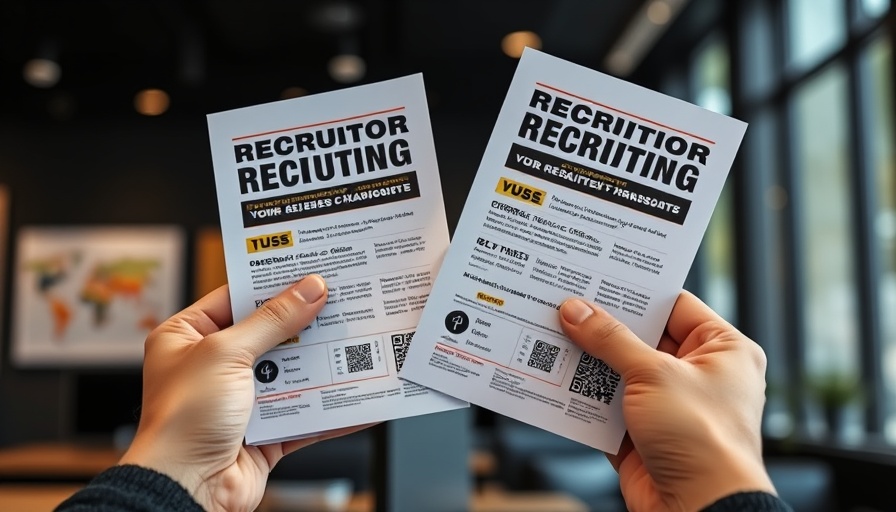
Recruitment flyers promoting employee retention strategies.

Understanding Employee Misperceptions on Pay

Recent findings from Payscale reveal a concerning trend in workforce perceptions regarding fair compensation. Despite their salaries being at or above market rates, approximately 68% of employees feel underpaid. This belief isn't merely a perception issue; it has significant implications for talent retention. Employees who feel they are unfairly compensated are 45% more likely to seek new job opportunities, increasing turnover rates and disrupting organizational stability.

The Impact of Pay Transparency

Ruth Thomas, chief compensation strategist at Payscale, emphasizes that pay misinformation and ineffective communication are detrimental to building trust between employers and employees. The gap in pay perception has widened, showcasing that despite the rise in pay transparency laws, mere compliance is insufficient. Employers must actively cultivate transparent compensation strategies, anchored in data, to effectively communicate what constitutes fair pay and mitigate attrition rates among talented individuals.

Demographics and the Disconnect

Particularly alarming is the disconnect felt among younger workers, notably the class of 2025 graduates. With expectations of six-figure salaries clashing with the reality of average starting salaries around $68,400, the potential for disillusionment looms large. Such misalignments can severely impact motivation and employee engagement, ultimately leading to higher turnover rates.

Strategic Implications for HR Leaders

For CHROs and VPs of Talent, understanding these dynamics is paramount. A heightened focus on clear communication regarding compensation structures, supported by data, can empower teams and reinforce a high-performance culture. As the landscape of pay transparency evolves, aligning expectations with reality will be crucial in enhancing employee satisfaction and retention rates.

In light of these insights, CEOs and operational leaders must prioritize workforce optimization through effective talent management practices. Investing in transparent communication strategies regarding compensation can bolster employee engagement and foster a stronger organizational culture.

People & Performance

0 Comments

Write A Comment

*
*
Please complete the captcha to submit your comment.
Related Posts All Posts
05.23.2026

Why Bolt’s CEO Argues Eliminating HR is Key to Enhanced Employee Performance

Update The Bold Move: Eliminating HR at Bolt In a shocking revelation at Fortune’s Workforce Innovation Summit in Atlanta, Ryan Breslow, CEO of Bolt Financial, announced that he had dissolved the entire human resources department. This drastic decision, which he described as necessary for the company's survival, drew both support and criticism. Breslow claimed the HR team was 'creating problems that didn’t exist,' and believes their elimination allowed the company to move forward without the complications they posed. Understanding the Shift Breslow's decision touches on a broader cultural shift within startups, reflecting a desire for a high-performance workplace without the bureaucracy often associated with traditional HR departments. He argued that the previous HR structure contributed to a 'culture of entitlement' among employees, preventing essential productivity. He emphasized that his vision was to foster a 'people-first leadership' approach, emphasizing problem-solving over issues. Rebuilding a Leaner Organization Upon his return as CEO in 2025, after a tumultuous period that saw Bolt's valuation plummet from $11 billion to around $300 million, Breslow initiated a radical restructuring. This included eliminating various workplace policies that encouraged comfort but diminished accountability. He stated that most of the employees he inherited from the previous leadership couldn't adapt to what he termed a 'wartime' mentality—a stark contrast to the leniency of prior years. How This Reflects A New Business Paradigm Breslow’s narrative raises important questions about the future of HR and talent management in a rapidly changing workplace. As companies pivot towards more agile and performance-driven leadership styles, many wonder how traditional HR functions will adapt. The idea of transforming HR into 'people operations,' which focuses on empowering managers and enhancing employee engagement, may signify a shift away from conventional HR practices that are seen as too prescriptive. Balancing People and Performance While Breslow’s approach has its advocates, it also invites counterarguments that suggest running away from traditional HR practices might pose risks, including high turnover and diminished employee morale. Critics argue that effective succession planning, employee retention strategies, and leadership development are essential aspects of a sustainable workforce strategy that shouldn't be disregarded. Such considerations are crucial as organizations look to build a culture that maximizes employee performance while fostering engagement. Wrap Up: Navigating Future Challenges The approach taken by Bolt may resonate with a growing number of CEOs seeking efficiency and a return to core operational principles. However, as businesses evolve, so too must their strategies in managing talent and maintaining a high-performance culture. CHROs, VPs of Talent and HR, and operational leaders must weigh the risks and benefits of these changes carefully. Embracing a vision of 'people-first leadership' while safeguarding employee performance and overall organizational health may well be the key to future success.

05.22.2026

The Future of Labor: Democrats Aim to Raise Overtime Threshold Over $89K by 2030

The proposed overtime salary threshold increase aims to over $89K by 2030, impacting employee performance and workforce strategies.

05.22.2026

Unlocking Organizational Growth: Addressing the Hidden Leadership Pipeline Problem

Uncover the hidden leadership pipeline problem affecting talent management and employee performance. Learn strategies for effective succession planning and leadership development.

Terms of Service

Privacy Policy

Core Modal Title

Sorry, no results found

You Might Find These Articles Interesting

T
Please Check Your Email
We Will Be Following Up Shortly
*
*
*