
Add Row
Add Element
cropper
update

TALENT PULSE NEWS

update
Add Element
  • Home
  • Categories
    • Talent Acquisition Trends
    • Culture & Engagement
    • Employer Branding & Candidate Experience
    • Hiring Tools & HR Tech
    • Policy & Workforce Law
    • Employee Resource Group News
    • Featured
June 29.2025
2 Minutes Read

How to Thrive When Your Boss Was Your Predecessor at Vogue

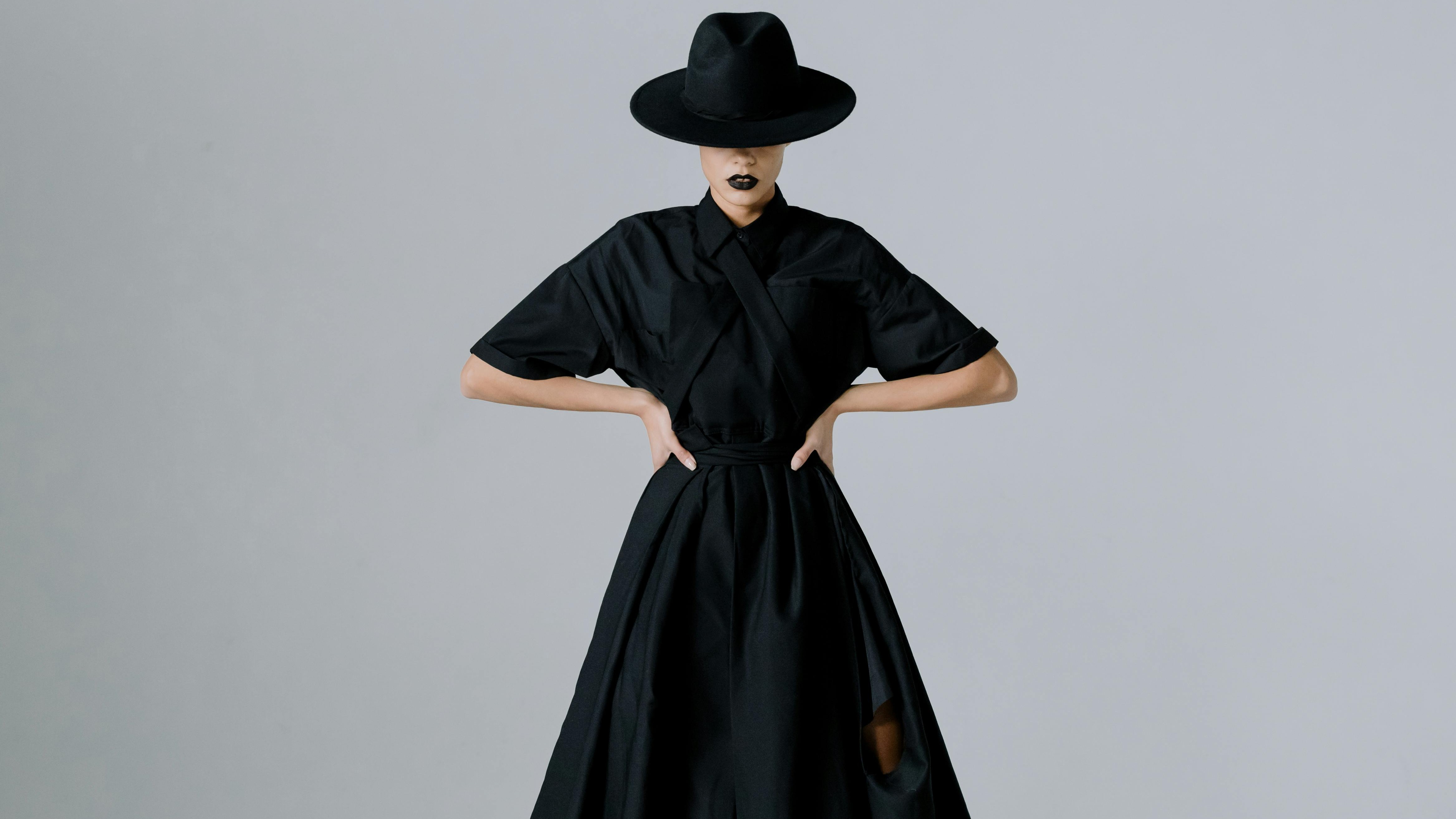
Elegant woman at formal event highlighting career success.


How to Succeed When Your Boss Was Your Predecessor

The recent announcement that Anna Wintour will hire a new head of editorial content for Vogue marks a significant transition in one of the fashion industry's most prestigious roles. Whoever steps into this position will not only inherit a legendary title but will also need to navigate the complexities of maintaining Wintour's legacy while establishing their own path.

Understanding the Organizational Culture

Leadership experts emphasize the importance of understanding the existing culture and dynamics before making any rash decisions. Nancy Ho, an executive coach, advises new leaders to engage actively with their teams, listening more than speaking during the initial phase. By fostering a rapport and expressing genuine curiosity about past practices, incoming leaders can build trust within their new team. This approach helps in easing the transition and sets a collaborative tone for future changes.

The Value of Patience in Leadership Transitions

New leaders should recognize that change takes time. According to Ho, the first few months should focus on acknowledging the achievements of predecessors before introducing new initiatives. Patience is critical for establishing credibility and ensuring that any alterations to strategy or operations are well-received by the team. This idea aligns with the broader trend in recruiting marketing and employer branding, where the tone and approach during onboarding can significantly affect employee engagement and retention.

Navigating Change Without Alienating Your Predecessor

One of the delicate balances for any new employee stepping into a role previously held by a strong leader like Wintour is managing the relationship with that predecessor. As James Reed, CEO of Reed, mentions, expressing ambition while simultaneously supporting the outgoing leader can help prevent conflict. This balanced approach resonates with the principles of effective reputation management and social recruiting. For many in leadership roles, acknowledging the contributions of those before them is key to building a positive workplace culture.

Louis Vuittons Success: Embracing Gradual Change

To illustrate this point, consider the fashion house Louis Vuitton, which successfully navigated leadership changes by valuing its traditions while allowing new leaders to implement their visions. This strategy ensures continuity and helps maintain a strong employer branding strategy, which is crucial for attracting talent in a competitive landscape. The evolution of Louis Vuitton serves as a parallel example for Vogue's new acquisitions and the importance of a thoughtful transition strategy.

In summary, the upcoming transition at Vogue provides vital lessons for anyone facing similar changes in leadership within their organizations. By prioritizing patience, understanding culture, and maintaining open communication channels, new leaders can create a stable environment that embraces both change and legacy.


Employer Branding & Candidate Experience

Write A Comment

*
*
Related Posts All Posts
12.01.2025

Discovering Modern Luxury: Transforming Experiences and Brand Loyalty

Update The Shift from Ownership to Experience in Luxury In today's world, luxury has undergone a remarkable transformation. Gone are the days when luxury was solely defined by ownership, price tags, or exclusive brands. Now, the essence of luxury lies in the experiences that brands can offer their consumers. Modern luxury emphasizes the journey over mere possession, encouraging brands to curate not just products but immersive lifestyles. Cultural Narratives: The Heart of Modern Luxury Brands like Balenciaga and Bvlgari exemplify how luxury transcends tangible goods. They now distribute stories that resonate with cultural values, providing deeper meaning to their products. It's not solely about the craftsmanship anymore; it’s about how those products create connections among individuals, cultivating a shared sense of identity. The Role of Technology in Luxury Engagement Modern luxury brands utilize technology to bridge the gap between the digital and physical realms. Through innovative tools like virtual reality, artificial intelligence, and blockchain technology, these brands curate personalized shopping experiences that reinforce exclusivity. For instance, digital platforms allow brands to engage customers in ways that traditional marketing never could, creating tailored journeys from initial interest to purchase. The Importance of Sustainability in Modern Luxury As consumers grow increasingly aware of global challenges, sustainability has become a focal point for luxury brands. Today, luxury is not just about indulgence; it encompasses a commitment to ethical practices and environmental responsibility. Brands are now expected to reflect these values, weaving them into their narratives and operations to resonate with conscious consumers. Redefining Loyalty Through Immersive Experiences Creating lasting connections with consumers involves more than selling products; it requires crafting unforgettable experiences. The term 'retailtainment' captures this phenomenon, emphasizing engagement over transaction. Brands are reimagining their physical spaces to evoke emotional responses, making store visits memorable. Whether through tailored events, cultural exhibitions, or personalized customer interactions, luxury today thrives on creating emotional bonds that foster loyalty beyond the point of sale. For employer brand managers and recruiters, understanding these shifts in consumer behavior is key to developing effective employer branding strategies. Just as luxury brands focus on experiences, recruiting marketing should also emphasize how candidates’ journeys align with shared values and immersive engagement. A personalized candidate experience can set apart organizations that are committed to cultivating a meaningful workplace culture. As you consider the implications of modern luxury, whether from a brand or employment standpoint, remember that prioritizing experience, values, and authenticity can help build the loyalty and engagement your organization needs to thrive in today's marketplace.

11.10.2025

Essential Humanities Skills for Navigating the AI Revolution

Explore the essential humanities skills needed for effective employer branding and navigating the evolving technology landscape in recruiting and onboarding.

11.09.2025

Surviving Week 37 Without Pay: Lessons from Families in Crisis

Explore the impact of government shutdowns on household finances, with practical tips and strategies for families navigating financial uncertainty.

Terms of Service

Privacy Policy

Core Modal Title

Sorry, no results found

You Might Find These Articles Interesting

T
Please Check Your Email
We Will Be Following Up Shortly
*
*
*