
cropper
update

TALENT PULSE NEWS

update
  • Home
  • Categories
    • Talent Acquisition Trends
    • Culture & Engagement
    • Employer Branding & Candidate Experience
    • Hiring Tools & HR Tech
    • Policy & Workforce Law
    • Employee Resource Group News
    • Featured
August 09.2025
2 Minutes Read

Tesla HR Employee Allegations: A Cautionary Tale for Talent Management

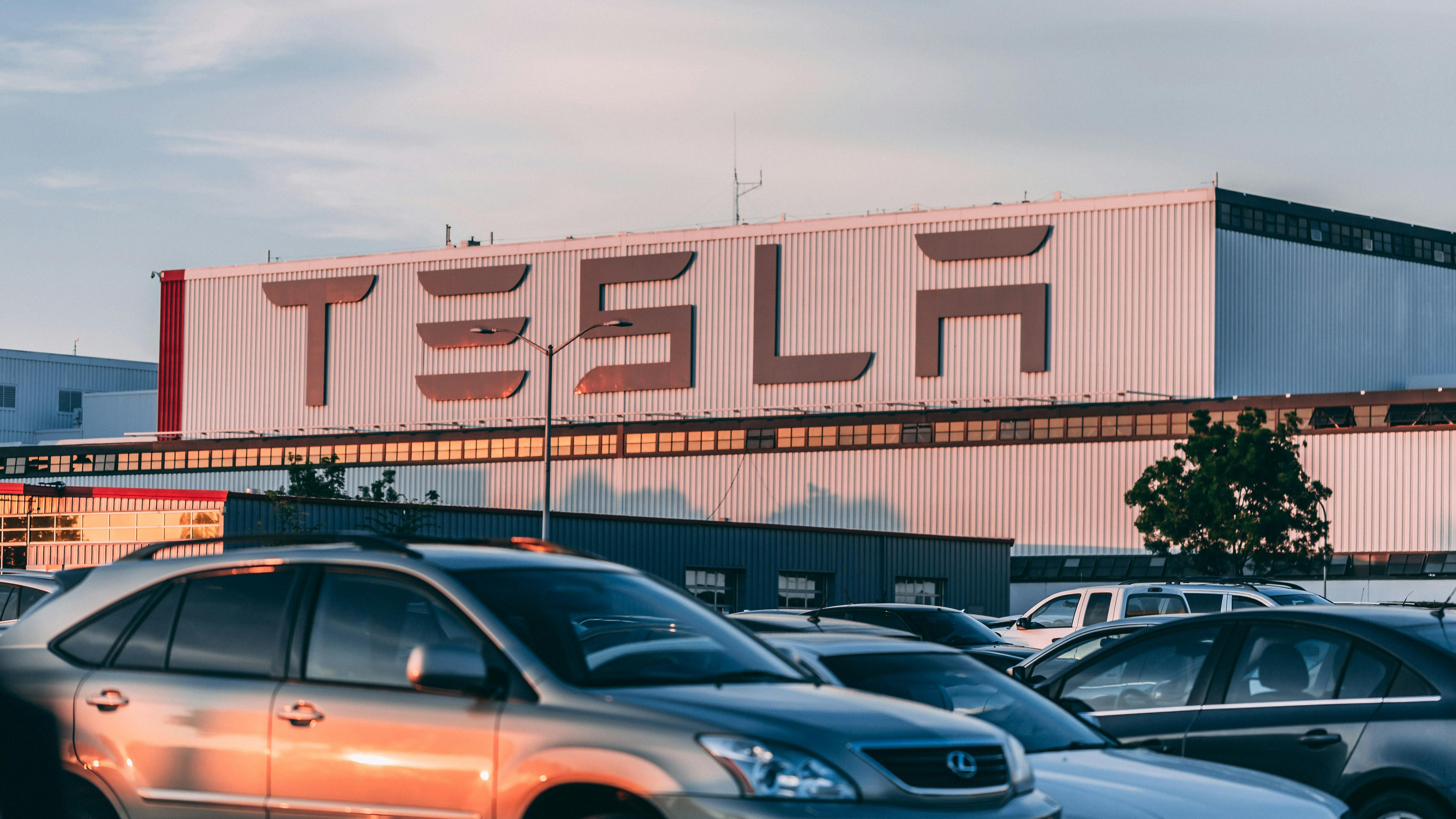
Aerial view of Tesla parking lot and factory showcasing employee engagement.


Unpacking the Allegations: A Culture of Silence?

A group of former HR professionals at Tesla has brought to light serious allegations in a lawsuit suggesting they faced retaliation for reporting racial bias at the company's Fremont facility. The lawsuit articulates their claims of being forced out of their positions for bringing up complaints about race-based harassment, a troubling echo of ongoing issues related to employee treatment within the tech and automotive industries.

The Context of Discrimination and Retaliation

According to the plaintiffs in the Peloquin, et al. v. Tesla, Inc. case, this isn't the first instance of discrimination at the Fremont plant. Reports of racial harassment against Black employees have made headlines over the years, sparking investigations by both state and federal regulators. The lawsuit highlights a broader culture where employees may feel discouraged from voicing concerns — an issue that could directly impact employee engagement and retention strategies within the company.

The Detrimental Impact on Employee Performance

The high attrition rate of HR professionals at the facility raises critical questions about the effectiveness of Tesla’s workforce strategy. When talented HR leaders are pushed out, organizations face increased challenges in maintaining a high-performance culture. Moreover, Harvard Business Review suggests that happy employees are 12% more productive, making it imperative for organizations to foster a supportive environment for all staff.

Lessons for Organizational Health

This case serves as a stark reminder for CHROs, Chief People Officers, and other leaders about the necessity of embedding a people-first leadership approach. Addressing employee concerns and fostering an open dialogue about workplace culture not only helps retain talent but also boosts overall organizational health. Implementing practices for succession planning and leadership development can create a more resilient and engaged workforce.

Call to Action: Empower Your Workforce

To avoid similar pitfalls, operational leaders should prioritize employee retention strategies and invest in understanding HR metrics that reflect staff morale. Engaging in ongoing dialogue and surveying employees can facilitate a proactive instead of reactive response to workforce issues. This is the path to creating not just compliance but a thriving, empowered workplace.


People & Performance

0 Comments

Write A Comment

*
*
Please complete the captcha to submit your comment.
Related Posts All Posts
05.23.2026

Why Bolt’s CEO Argues Eliminating HR is Key to Enhanced Employee Performance

Update The Bold Move: Eliminating HR at Bolt In a shocking revelation at Fortune’s Workforce Innovation Summit in Atlanta, Ryan Breslow, CEO of Bolt Financial, announced that he had dissolved the entire human resources department. This drastic decision, which he described as necessary for the company's survival, drew both support and criticism. Breslow claimed the HR team was 'creating problems that didn’t exist,' and believes their elimination allowed the company to move forward without the complications they posed. Understanding the Shift Breslow's decision touches on a broader cultural shift within startups, reflecting a desire for a high-performance workplace without the bureaucracy often associated with traditional HR departments. He argued that the previous HR structure contributed to a 'culture of entitlement' among employees, preventing essential productivity. He emphasized that his vision was to foster a 'people-first leadership' approach, emphasizing problem-solving over issues. Rebuilding a Leaner Organization Upon his return as CEO in 2025, after a tumultuous period that saw Bolt's valuation plummet from $11 billion to around $300 million, Breslow initiated a radical restructuring. This included eliminating various workplace policies that encouraged comfort but diminished accountability. He stated that most of the employees he inherited from the previous leadership couldn't adapt to what he termed a 'wartime' mentality—a stark contrast to the leniency of prior years. How This Reflects A New Business Paradigm Breslow’s narrative raises important questions about the future of HR and talent management in a rapidly changing workplace. As companies pivot towards more agile and performance-driven leadership styles, many wonder how traditional HR functions will adapt. The idea of transforming HR into 'people operations,' which focuses on empowering managers and enhancing employee engagement, may signify a shift away from conventional HR practices that are seen as too prescriptive. Balancing People and Performance While Breslow’s approach has its advocates, it also invites counterarguments that suggest running away from traditional HR practices might pose risks, including high turnover and diminished employee morale. Critics argue that effective succession planning, employee retention strategies, and leadership development are essential aspects of a sustainable workforce strategy that shouldn't be disregarded. Such considerations are crucial as organizations look to build a culture that maximizes employee performance while fostering engagement. Wrap Up: Navigating Future Challenges The approach taken by Bolt may resonate with a growing number of CEOs seeking efficiency and a return to core operational principles. However, as businesses evolve, so too must their strategies in managing talent and maintaining a high-performance culture. CHROs, VPs of Talent and HR, and operational leaders must weigh the risks and benefits of these changes carefully. Embracing a vision of 'people-first leadership' while safeguarding employee performance and overall organizational health may well be the key to future success.

05.22.2026

The Future of Labor: Democrats Aim to Raise Overtime Threshold Over $89K by 2030

The proposed overtime salary threshold increase aims to over $89K by 2030, impacting employee performance and workforce strategies.

05.22.2026

Unlocking Organizational Growth: Addressing the Hidden Leadership Pipeline Problem

Uncover the hidden leadership pipeline problem affecting talent management and employee performance. Learn strategies for effective succession planning and leadership development.

Terms of Service

Privacy Policy

Core Modal Title

Sorry, no results found

You Might Find These Articles Interesting

T
Please Check Your Email
We Will Be Following Up Shortly
*
*
*