
Add Row
Add Element
cropper
update

TALENT PULSE NEWS

update
Add Element
  • Home
  • Categories
    • Talent Acquisition Trends
    • Culture & Engagement
    • Employer Branding & Candidate Experience
    • Hiring Tools & HR Tech
    • Policy & Workforce Law
    • Employee Resource Group News
    • Featured
July 28.2025
2 Minutes Read

What the Coldplay ‘Kiss Cam’ Scandal Teaches About Workplace Accountability

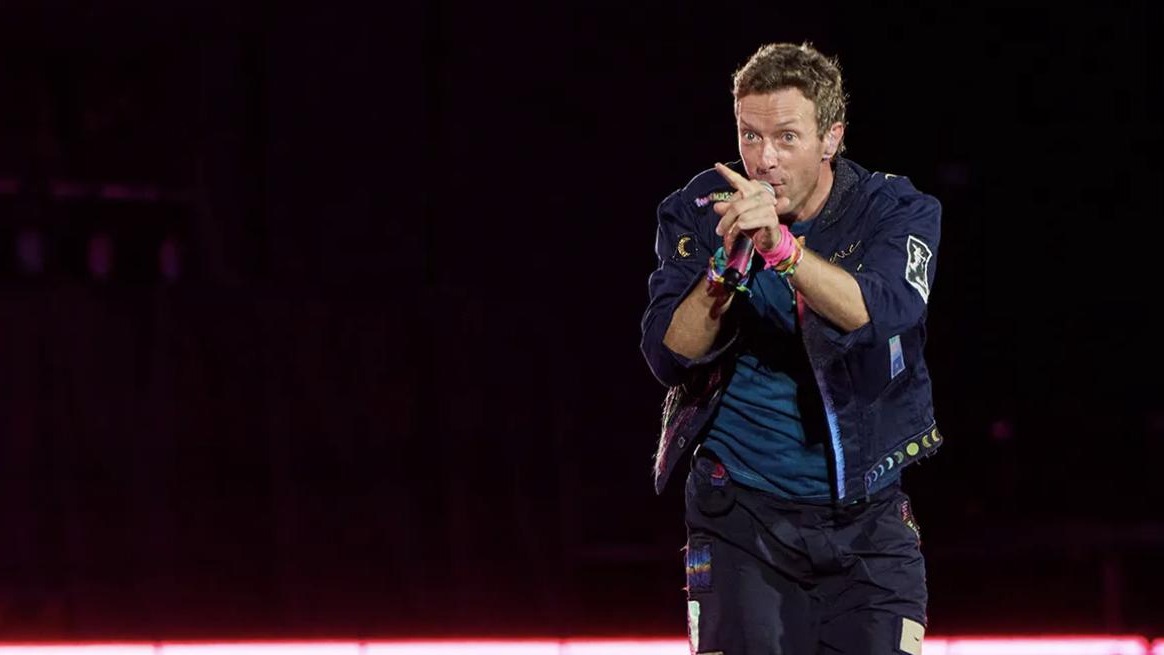
Energetic concert with singer on vibrant stage in front of large crowd.


Viral Moments Illuminate Work Culture

The recent viral incident involving Coldplay's 'kiss cam' at a concert has sparked discussions far beyond the music industry, weaving its way into the fabric of human resource management. When the CEO of Astronomer was caught in such a public moment, it raised questions about workplace behavior and the governance of professional misconduct, particularly by those in HR roles. How do we hold HR accountable when they are involved in workplace romances and activities that might not align with corporate culture?

Understanding Workplace Romances

Workplace romances are a common phenomenon; a survey from 2022 by HR consulting firm The Shift Work Shop revealed that a striking 77% of individuals have engaged in romantic relationships with coworkers. While this may lead to uncomfortable situations like the aforementioned 'kiss cam' moment, it's worth noting that many employees view such relationships positively. A study by ResumeBuilder.com in 2024 indicated that 66% of those involved in workplace romances felt these relationships enhanced their work experience, sometimes even contributing to raises or promotions. It's a double-edged sword when it comes to workplace dynamics.

Implications for Talent Acquisition

For talent acquisition managers and HR leaders, understanding these romantic entanglements is critical. Balancing workplace freedom and professionalism is essential in attracting and retaining talent. Incorporating clear policies regarding workplace relationships can aid in fostering a positive company culture while mitigating risks. Implementing an applicant tracking system that evaluates not only technical skills but also team compatibility can enrich the candidate experience, ensuring a more cohesive work environment.

Considerations for Recruitment Best Practices

The Coldplay incident invites HR professionals to reflect on how they approach sourcing strategies and talent pipeline development. As workplace cultures evolve and discussions around workplace behavior intensify, integrating clear guidelines about relationships at work could be a key recruitment best practice. Likewise, enhancing training that encourages open discussion about professional boundaries can help foster a healthier workplace environment, ultimately optimizing the hiring process.

Steps HR Can Take Now

So, what actions can HR departments implement following this incident? Fostering open lines of communication is critical. Encouraging employees to engage in discussions about workplace behavior norms and standards can prevent misunderstandings and potential misconduct. Furthermore, leveraging AI in recruiting to assess cultural fit and employee engagement can provide valuable insights into the dynamics of workplace relationships.

As the embarrassment fades, the lessons from this moment remain looming. Starting these necessary conversations could pave the way for a more positive workplace culture as organizations move into the future. Remember, being proactive rather than reactive in HR can transform how businesses navigate the often-complicated waters of workplace relationships.


Talent Acquisition Trends

Write A Comment

*
*
Related Posts All Posts
12.06.2025

Essential Updates for Employee Handbooks in 2026: What Recruiters Must Know

Update Understanding Employee Handbooks in 2026 As we approach 2026, talent acquisition managers and HR directors need to prepare for an evolving landscape in employee handbooks. These essential documents now serve not only as a guide for company policy but also as a vital tool for legal compliance amid changing federal and state regulations. Joycelyn Stevenson, a Nashville-based office managing shareholder at Littler, highlights key questions business leaders are asking as they update these handbooks for the forthcoming year. The Crucial Policies You Can't Afford to Miss First and foremost, handbooks should explicitly prohibit discrimination and harassment. It's essential to include reporting procedures for complaints to foster a safe and supportive workplace. Other recommended policies cover guidelines on medical and religious leave requests, conduct expectations, as well as pay practices. Given that some states have specific legal requirements, employers must verify all mandated policies, ensuring their documents are tailored to local laws. Frequency of Updates: Keeping It Fresh So, when should you update your handbook? It’s advisable to review these documents at least annually, if not every six months, to stay in line with any new laws. Many organizations operate out of dated handbooks, which could leave them vulnerable to compliance issues. Regular updates not only demonstrate responsiveness but also reinforce the importance of a well-informed workforce. Navigating Multi-State Considerations If your workforce spans multiple states, you might wonder if a single handbook suffices. The answer isn't straightforward, as laws vary by state—and even city. It’s often best to create supplementary documents that address unique state requirements, especially in places like California and New York that have specific mandates. A Clear Reporting Process is Key One of the most vital components of an employee handbook is a transparent complaints process. This gives employees a clear path to voice their concerns while ensuring that management is equipped to handle them appropriately. Defining responsibilities for those involved in the complaints process not only ensures efficient handling of issues but also instills confidence among employees about the company's commitment to a respectful workplace. Looking Ahead: What to Prepare For As the workplace continues to evolve, those involved in talent acquisition and HR must also consider factors like AI influences and remote work policies. Emphasizing workplace conduct standards, use of AI tools, and social media guidelines are increasingly becoming necessary components of employee handbooks. By clarifying these expectations, businesses can better navigate the complexities of modern employment practices. With the horizon of 2026 fast approaching, it’s time for HR leaders to ensure that their employee handbooks not only reflect current laws but also support a positive work culture. Investing in the refinement of these handbooks is a crucial step towards fostering a well-informed, compliant workforce. For more insights into updating your employee handbook and ensuring compliance in 2026, reach out today to discuss how tailored solutions can help streamline this essential aspect of your HR framework.

12.04.2025

Unlocking Recruitment Success in 2026 with Market Mapping Strategies

Explore market mapping in recruitment for 2026. Learn how hiring trends, sourcing strategies, and AI can transform your talent acquisition practices.

12.03.2025

Creating a Successful Virtuous Cycle for Your Brand Ambassadors

Discover how creating a virtuous cycle for brand ambassadors can enhance employer branding and lead to authentic employee engagement.

Terms of Service

Privacy Policy

Core Modal Title

Sorry, no results found

You Might Find These Articles Interesting

T
Please Check Your Email
We Will Be Following Up Shortly
*
*
*